
- Home
- Soundproof DoorCertificate
- Saudi Arabia Hotel Fire Rated Door Supply Project
- Hong Kong Legislative Council Complex Project
- Hong Kong SS519 MIC Public Housing Project
- hong-kong-disneyland-door-supply-project
- qatar-fifa-world-cup-2022-stadium-accommodation-project
- nigeria-hospital-door-system-project
- tanzania-msalato-airport-door-system-project
- saudi-arabia-earth-hotel-door-system-project
-
How to Clean Wooden Doors Without Damaging the Finish
Views: 0 Author: Site Editor Publish Time: 2026-05-12 Origin: Site
![facebook sharing button]()
![twitter sharing button]()
![line sharing button]()
![wechat sharing button]()
![linkedin sharing button]()
![pinterest sharing button]()
![whatsapp sharing button]()
![kakao sharing button]()
![snapchat sharing button]()
![telegram sharing button]()
![sharethis sharing button]()
When you clean your doors, you want them to look nice. You do not want to harm the finish. For wood doors, gentle cleaning is best. Use a soft cloth with mild soap or some diluted vinegar. Do not use harsh chemicals. They can hurt the color and surface. Some finishes, like satin and semi-gloss, react in different ways when cleaned:
Aspect
Satin Finish
Semi-Gloss Finish
Ease of Cleaning
Cleans with mild soap and a cloth; can stain if not cleaned soon
Very easy to clean with a damp sponge; keeps away moisture and dirt
Scrub Resistance
Handles light scrubbing; shine can fade if scrubbed too much
Can be scrubbed often without harm; good for messy spots
Durability in High-Traffic Areas
Works well in places not used a lot; can lose shine in busy spots
Very strong and tough; best for doors, trims, and baseboards
If you use too much water or strong cleaners, you may see problems like:
Color fading or peeling
Water getting inside the wood, causing cracks
Damage from too much moisture
Use gentle products and careful methods. This helps your wooden doors last longer and look great.
Key Takeaways
Clean wooden doors with mild soap or diluted vinegar. Strong chemicals can harm the finish.
Try your cleaning solution on a hidden spot first. Do this before using it on the whole door.
Dust your doors often. Clean stains right away to keep them looking nice.
Put on a protective finish every few years. This helps protect doors from water and sunlight.
Use gentle tools like microfiber cloths and soft sponges. These help stop scratches on the surface.
Preparing to Clean Wooden Doors
![Preparing to Clean Wooden Doors]()
Gather Supplies
You want to start with the right tools. If you use the wrong supplies, you might scratch or dull the finish. Here’s a quick checklist to help you get ready:
Microfiber cloths
Soft sponges
Mild soap (like dish soap)
White vinegar (diluted with water)
Small bucket
Soft-bristled brush (for corners)
Clean, dry towel
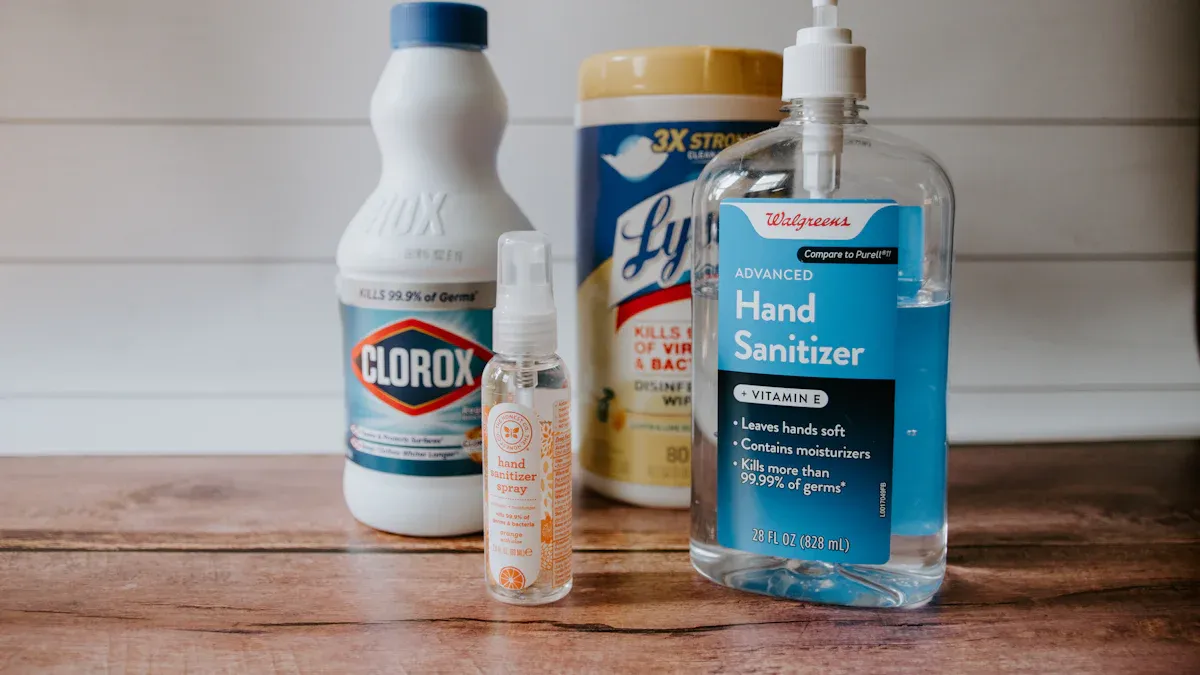
Microfiber cloths work best for wood doors. They pick up dust without leaving marks. Mild soap and vinegar are gentle and safe for most finishes. You can use a soft sponge for spots that need extra attention. A soft-bristled brush helps you reach corners and grooves.
Tip: Always use a clean cloth. If you reuse a dirty one, you might rub grit into the surface and scratch your wooden doors.
Dust and Surface Prep
Before you start cleaning, you need to remove dust and loose dirt. Dust can hide in grooves and corners. If you skip this step, you might spread dirt around and make the job harder.
Cleaning professionals say you should use a soft, non-abrasive cloth. Lightly dampen the cloth so it grabs dust but doesn’t soak the wood. Wipe in the direction of the wood grain. This helps keep scratches from showing and protects the finish.
You can use a soft-bristled brush for tricky spots. After dusting, check for sticky spots or fingerprints. If you see any, you can spot clean them with a damp cloth.
Getting the surface ready makes cleaning easier. It also keeps your wood doors looking smooth and shiny. When you prep the door, you protect the finish and make sure your cleaning works better.
How to Clean a Wood Door Safely
![How to Clean a Wood Door Safely]()
Test Cleaning Solution
Before you clean a wood door, you want to make sure your cleaning solution is safe. Some finishes react badly to even gentle products. Here’s a simple way to test:
Pick a hidden spot on your door, like behind the hinge or near the bottom edge.
Dip a soft cloth in your cleaning solution. Wring it out so it’s just damp.
Gently rub the spot. Don’t scrub hard.
Wait for the area to dry. Watch for any changes in color or texture.
If the finish looks the same, you can use this solution on the rest of the door.
Tip: Always test first. This step helps you avoid surprises and keeps your wood doors looking their best.
Gentle Cleaning Steps
You don’t need fancy products to clean a wood door. Simple, homemade cleaners work well and protect the finish. Here are some easy options:
Vinegar All-Purpose Cleaner: Mix 1 cup white vinegar with 3 cups water. This works great for daily cleaning and keeps your door fresh.
Lemon Oil Polish: Mix 1/4 cup olive oil with 2 tablespoons lemon juice. Use this once a month to polish and protect the wood.
To clean, follow these steps:
Dust the door first. Use a dry microfiber cloth to wipe away loose dirt.
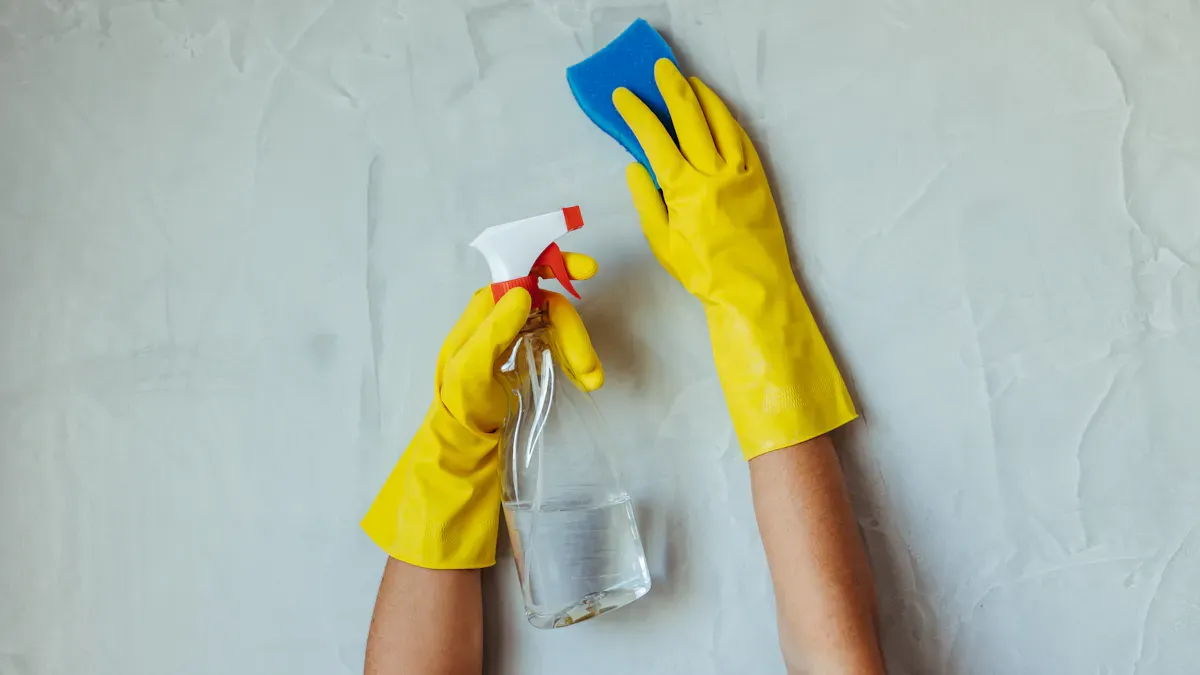
Dip a soft sponge or cloth in your chosen cleaning solution. Wring it out so it’s damp, not wet.
Wipe the door gently, moving with the grain of the wood. Pay extra attention to spots around handles and edges.
For corners or grooves, use a soft-bristled brush.
Dry the door with a clean towel right away. This stops water from soaking in.
Natural cleaners do more than just clean. They help keep your home’s air fresh and safe. They break down easily in water, so they’re better for the environment. If you use refillable bottles, you also cut down on plastic waste.
Note: Homemade cleaners cost less than store-bought ones. You can clean a wood door for less than fifty cents each time, while commercial cleaners can add up to over a hundred dollars a year.
What to Avoid
Some cleaning habits can damage wooden doors. Here’s what you should skip:
Mistake
Consequence
Over-cleaning
Wears down protective finishes faster.
Using Harsh Chemicals
Can damage the door's finish and color.
Don’t use abrasive tools. Scrub brushes with hard bristles or rough pads can scratch the finish.
Skip harsh chemicals. Strong cleaners can strip the finish or change the color of the wood.
Avoid soaking the door. Too much water can seep in and cause cracks or warping.
Stick to gentle products and soft cloths. This keeps your wood doors looking smooth and shiny. If you clean a wood door the right way, you help it last longer and stay beautiful.
![Wooden Doors.jpg]()
Minor Damage Repair for Wooden Doors
Remove Stains
Stains can show up on wood doors for many reasons. Water, spills, and even dust can leave marks if you don’t clean them up quickly. You want to keep your doors looking fresh, so here’s how you can tackle stains safely:
Grab a soft rag or sponge. Add a little mild soap and water.
Gently scrub the stain. Always move in the direction of the wood grain.
Skip abrasive products. They can scratch or dull the finish.
If you see a stubborn spot, try a baking soda paste. Mix baking soda with a bit of non-gel toothpaste. Here’s a simple way to use it:
Wipe the stain with a damp cloth and let it dry.
Spread the paste on the stain.
Gently rub with a clean cloth.
Let it sit for 10–15 minutes.
Wipe away the paste with a damp cloth.
Baking soda works well for surface stains. For deeper marks, you might want to use a product like SmartStrip. It’s gentle, has a low odor, and stays active for hours, making it easy to use indoors.
Tip: Well-sealed wood doors don’t stain easily, but accidents happen. If you spill something, clean it up right away to avoid dark spots or warping.
Treat Scratches
Light scratches can make wooden doors look old, but you can fix them without much trouble. Start by cleaning the scratched area with a damp microfiber cloth and a wood-safe cleaner. This removes dirt and helps you see the scratch better.
Try these easy fixes:
Use a wood polish or scratch-remover solution. Rub it in small circles and follow the grain.
For shallow marks, rub a walnut or almond over the scratch. The natural oils help blend the mark.
Mix three parts vegetable oil with one part white vinegar. Dab it on the scratch to hide it for a while.
Touch-up markers or stain pens can cover color loss. Test on a hidden spot first.
If you have an older door, fine steel wool can help. Gently feather the edges of the scratch. This won’t bring back the original finish, but it makes the scratch less visible and keeps the door’s character.
Note: Always work with the grain. Scrubbing across the grain can make scratches stand out more.
Wooden Door Maintenance Tips
Regular Cleaning
You want your wood doors to look great year-round. Set up a simple cleaning routine. Wipe down the surface every few months. If your door gets a lot of use, clean it more often. High-traffic areas need extra attention. Every six months, give your door a deep clean. Check the hardware and make sure the top and bottom edges stay dust-free. This keeps your door working smoothly and helps prevent mold or rot.
Clean wood doors at least once every few months.
Increase cleaning for doors in busy spots.
Deep clean every six months.
Inspect hardware and edges regularly.
Tip: Regular cleaning stops dirt from building up and makes your door last longer.
Protect Finish
Protecting the finish is key to keeping wooden doors beautiful. Apply a high-quality finish like varnish, paint, or sealant. These products shield your door from moisture and sunlight. Use weatherstripping and door sweeps to block rain and dampness. Keep humidity levels stable in your home. Wood reacts to changes in humidity, so aim for 30% to 50%. If you live near the coast, try marine varnish for extra protection. In sunny areas, use UV-resistant finishes to prevent fading.
Use finishes such as Minwax Wipe-on Poly, clear lacquer, or marine varnish.
Maintain stable humidity with a humidifier or dehumidifier.
Avoid direct sunlight on wood doors.
Install weatherstripping and door sweeps.
Note: A good finish acts like armor for your door, keeping out water and sun.
When to Refinish
Sometimes, your door needs more than cleaning. Look for signs like peeling varnish, dull color, or stubborn stains. If water stops beading and soaks in, it’s time to reseal. Experts suggest refinishing wood doors every 3–5 years, especially in places with lots of sun or humidity. Repaint or reseal to keep your door strong and looking fresh.
Refinish every 3–5 years.
Reseal if water no longer beads on the surface.
Watch for peeling, scratches, or dullness.
Sign
Action Needed
Water soaks in
Reseal
Peeling varnish
Refinish
Dull color
Refinish
Stubborn stains
Refinish
You can make your wooden doors look nice by cleaning them gently and taking care of them often. Use mild soap or vinegar, but always test your cleaner on a small hidden spot first. Do not use strong chemicals because they can hurt the finish. Here is what experts say:
Key Takeaway
Description
Test cleaning solutions
Try cleaners on a hidden spot before using them everywhere.
Avoid harsh chemicals
Skip bleach and rough scrubbers to protect the finish.
Regular maintenance
Dust often and wipe up stains right away.
Mild cleaners keep the finish safe and stop damage.
Sealing and checking your doors often helps them last longer.
Cleaning your doors often keeps them looking good and working well.
Taking care of your doors gently is worth it. They will stay strong and look nice for many years.
FAQ
Can I use vinegar to clean all types of wooden doors?
You can use diluted vinegar on most wooden doors. Always test it on a hidden spot first. Some finishes react differently. If you see any change, switch to mild soap.
How often should I clean my wooden doors?
You should dust your doors every few weeks. Clean them with a damp cloth once a month. Busy areas need more attention. Deep clean twice a year.
What should I do if my door gets scratched?
Try a walnut or a touch-up marker. Rub gently along the scratch. You can use a wood polish for extra shine. Always work with the grain.
Is it safe to use commercial wood cleaners?
Most commercial wood cleaners are safe if you follow the instructions. Avoid products with harsh chemicals. Look for cleaners labeled “wood-safe” or “gentle.”
Will too much water damage my wooden door?
Yes, too much water can cause warping or cracks. Always use a damp, not wet, cloth. Dry the door right away with a towel.
![Steel Soundproof Door-QA-GYM-001]()
![Fireproof And Soundproof Door-QA-GYM-002]()
![Steel And Wood Fire-resistant Door-QA-BXG-003]()
![Solid Wood Door-QA-SMM-001]()
![Paint-free eco-friendly wooden doors-QA-SMM-003]()
![HPL Wooden Doors-QA-SMM-002]()
![Carbon crystal wooden door-QA-SMM-004]()
![Steel fire-rated door-QA-GFM-003]()
![Wooden soundproof door-QA-GYM-003]()